We are used to filing food security, sovereign debt and climate under three different headings, managed by three different ministries. The 2026 fertiliser shock has collapsed them into one. The closure of the Strait of Hormuz trapped roughly a third of the world’s seaborne fertiliser trade and drove urea prices up close to 80 percent, the highest since 2022, and a record El Niño is now landing on top of it. Together they are hitting where it hurts most: the balance sheets of countries that can least absorb them.
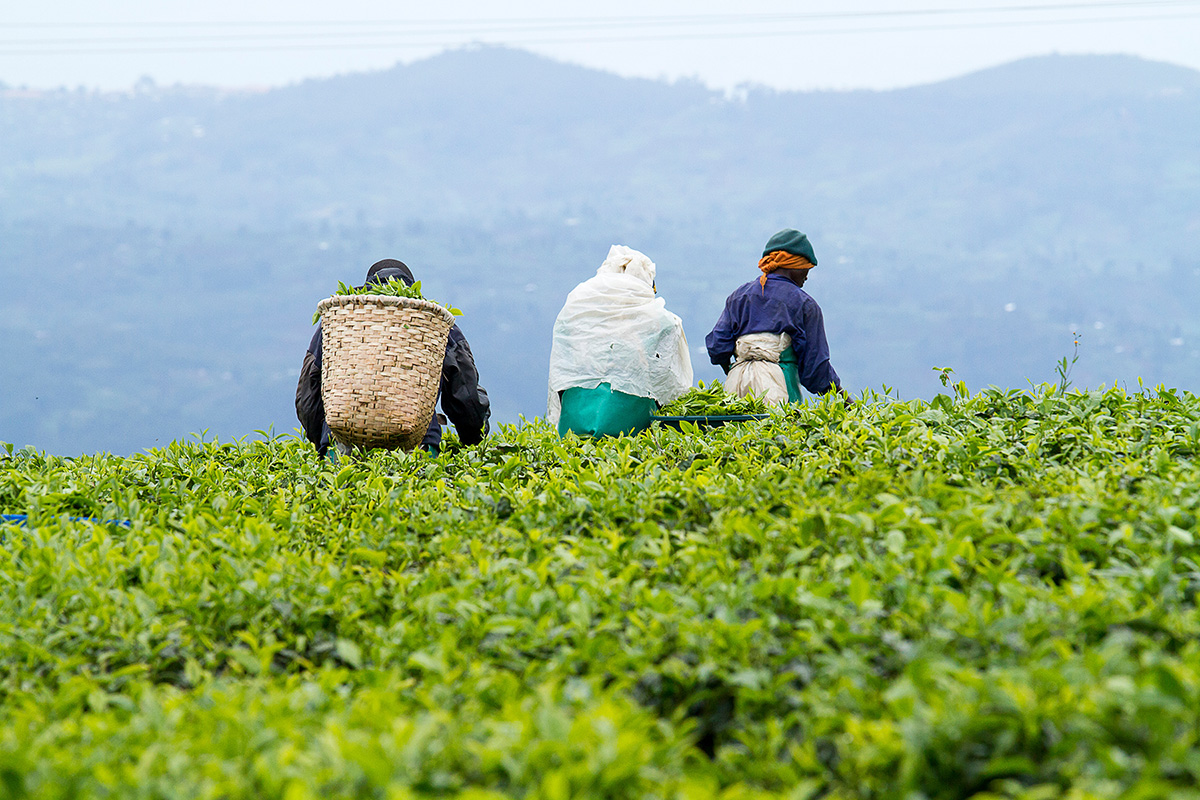
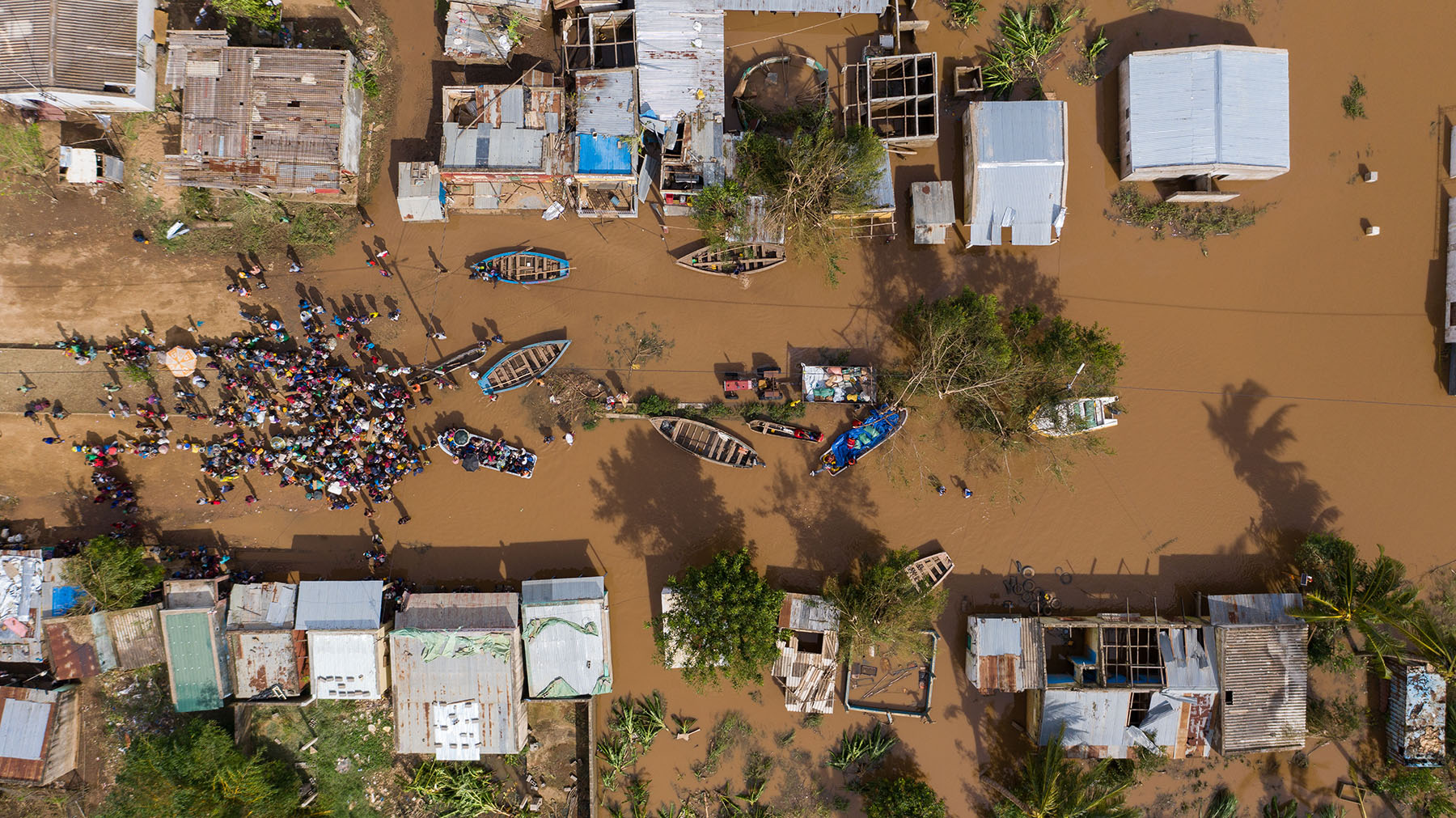
A fertiliser bill paid in scarce dollars drains reserves; thin reserves raise the cost of debt; debt service crowds out everything else. Sub-Saharan Africa imports around 80 percent of its fertiliser, so one bad season is all it takes to feel how tightly the three are bound. The FAO and WFP warn that fertiliser skipped now carries into the 2026–27 harvest and could tip tens of millions more into acute hunger. This is not an abstraction. It is smallholder families, many of them women, who grow most of the region’s food deciding whether they can afford to plant.
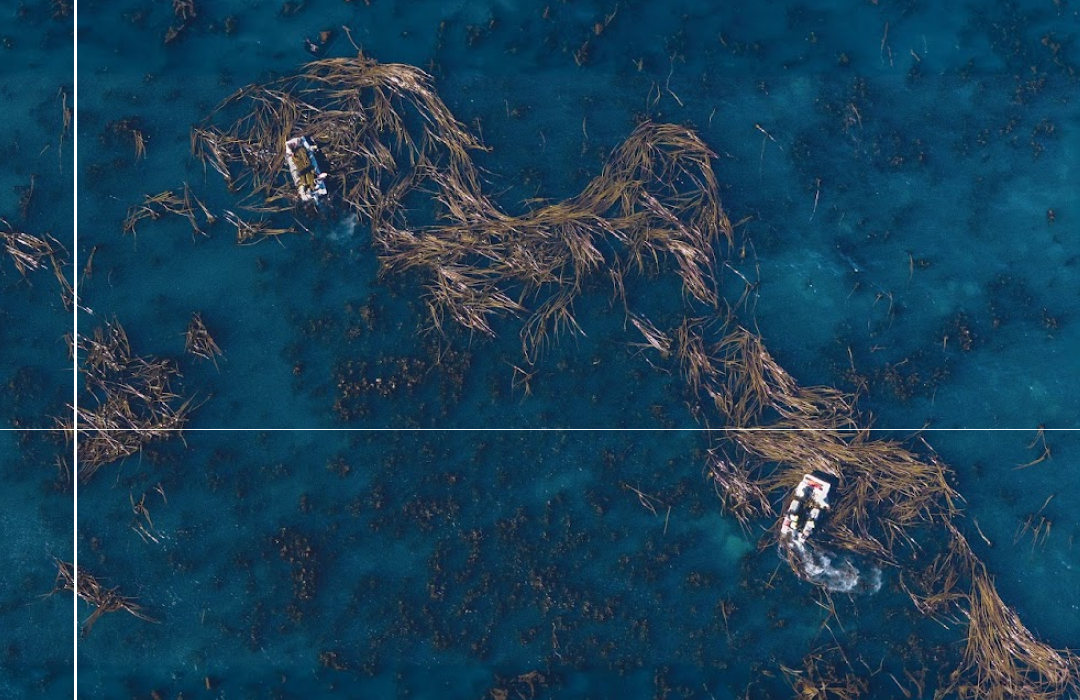
The instinctive fix to build fertiliser capacity at home is only half right. Domestic synthetic production runs on gas it cannot produce cheaply, relocating the dependency rather than escaping it, as Brazil found after 2022. The durable answer is harder: inputs a country actually controls – biochar and compost from crop waste, seaweed biostimulants from the coast, insect frass from organic waste – made locally, in local currency, rebuilding soils rather than stripping them.
They do not replace synthetic fertiliser but stretch it, since blends have been shown to outperform either alone. And the opportunity is real precisely because it is hard: young industries that cannot yet beat fossil-based incumbents on price without deliberate support – offtake, procurement, standards, patient capital – the same industrial policy that once built solar. Feedstocks and soils differ by place, so there is no template to roll out, only a portfolio to build country by country and it is nobody’s mandate today, because the systems that price sovereign risk do not currently recognise let alone reward nature-based resilience.
That is where the deepest work sits. Right now, debt-sustainability analysis and credit ratings capture the cost of a climate or price shock after it hits, and credit nothing for the investment that would have softened it. Substitute imported fertiliser with domestic inputs and you cut the import bill, ease foreign-exchange demand and rebuild the soil that underpins the next harvest; fiscal resilience that the machinery pricing sovereign debt does not yet register.
With the Coalition of Finance Ministers, Systemiq and LSE, we are building the first credible country-level estimates of resilience savings – with live work in Uganda now moving to new countries in Africa and beyond – and pressing to have them recognised in debt frameworks and ratings, so a country that invests in its own food security is rewarded with cheaper capital, not penalised for the vulnerability it is trying to reduce.
As leaders move from the UN General Assembly to the IMF-World Bank meetings and the biodiversity and climate COPs, they do so in the early stages of a mounting food, debt and climate crisis, one fast becoming a perennial disruption rather than a passing shock. This makes this a moment to be clear-eyed about the levers within our gift, specifically the structural ones that outlast any single season. Two of the most powerful sit at the heart of this crisis: integrating nature-based resilience into how sovereign risk is assessed and priced, and directing capital into the productive green industries that reduce the dependencies driving the shock.
Neither is easy, and neither is anyone’s job by default, which is why they must be done together. The African Bioeconomy Finance Hub, a partnership with FSD-Africa/African Natural Capital Alliance (ANCA) and NatureFinance, and our work with the Coalition of Finance Ministers on resilience-adjusted sovereign-finance reforms are two concrete entry points to begin building on.
For the shock already upon us, much of the answer will inevitably be emergency and humanitarian response; that window has largely closed. The choice we still have is over the next one – whether it lands as another disaster or meets a continent that used this crisis to build its defences. In a warming and geopolitically unstable world, more shocks are the one thing we can be certain of.
Julie McCarthy – CEO of NatureFinance