By Julie McCarthy, CEO, and Indekhwa Anangwe, Africa Co-Lead, NatureFinance
In October, three sets of decision-makers met in three cities around the same time to discuss the same problem and largely did not notice.
In Dublin, 1,400 scientists, entrepreneurs and innovation agencies gathered at the Global Bioeconomy Summit to ask why circular, bio-based industries are not scaling. In Yerevan, biodiversity negotiators met at COP17 to ask why political commitments on nature are not being financed. In Bangkok, finance ministers and development banks at the IMF-World Bank Annual Meetings asked how indebted countries can grow, feed themselves and withstand the next shock, with a super El Niño, trade disruption and fertiliser dependence hitting many of them all at once.
Each room had one part of the elephant and mistook it for the whole.
The scientists had an overflowing shelf of innovative products and few buyers. The negotiators had a stack of ambitious targets and no money. And the finance ministers had the money and the most urgent version of the problem,in the form of rising food prices, import bills and debt distress,and saw no connection between any of that and what the other two rooms were offering.
Finance ministers are not indifferent to nature. They have simply not been shown that a domestic biofertiliser industry is also a foreign exchange policy, or that a functioning watershed is actually a debt-sustainability measure. No finance ministry will pay attention to funding biofertilisers as just one more green measure to help meet a UN biodiversity target. But most would fund them to cut an import bill, protect foreign exchange reserves and shield farmers from the next price spike.
That translation, of ecological resilience into fiscal resilience, is arguably the whole task right now for nature finance. Until it is done, the other two rooms will keep talking largely to themselves.
What we are actually talking about
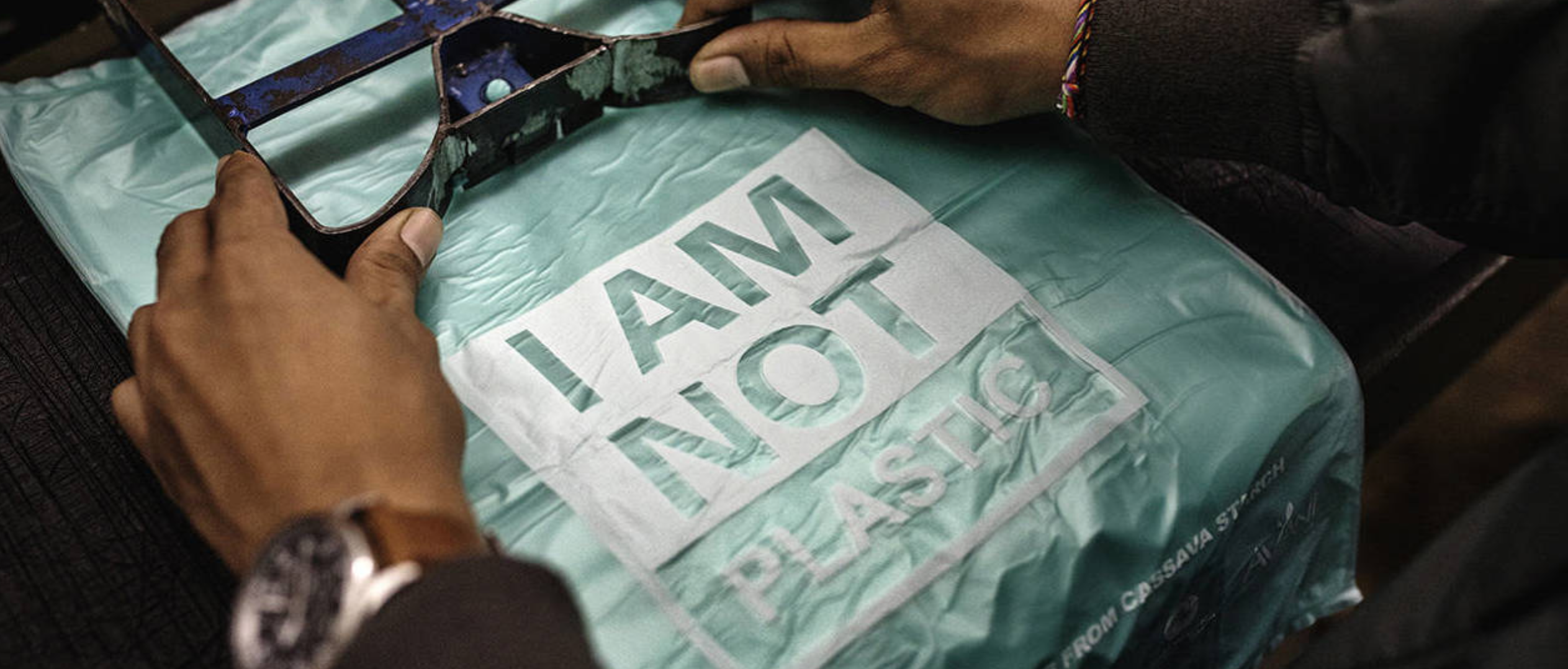
The bioeconomy is not an abstraction. It is a Kenyan farmer using a locally produced biofertiliser instead of urea imported from the Gulf with scarce foreign exchange. It is a Brazilian packaging company replacing fossil-based plastic with a material grown from local crop residues. It is seaweed farmed in the Philippines being refined into food-grade and biomaterial inputs in Cebu rather than shipped raw to Japan. It is New York City protecting the forested catchment in the Catskills that filters its drinking water, because a watershed does the job of a treatment plant at a fraction of the capital cost and does not need replacing in thirty years.
These are industries and infrastructure that depend on living systems and can, if built deliberately, pay for keeping those systems alive.
That is the economic story the nature agenda keeps struggling to tell, and the reason nature still sits in most national budgets as a line of expenditure rather than an asset that generates returns.
The nature scorecard is bad, and finance is why
Of 1,400 participants in Dublin, we counted two private investors, and no finance or trade ministry officials headlining the programme. In Yerevan, the first formal check on the global biodiversity targets found fewer than half on track, and the Cali Fund, meant to raise $1 billion a year from global companies using local genetic data, has raised about $10,000.
More broadly, more than 60 countries now have bioeconomy strategies or related policy frameworks, but very few have budget lines attached. Kenya shows how this happens. Its national bioeconomy strategy launched this year, housed in the science and agriculture ministries. Within weeks, the government opened consultations on a new industrial policy, in which the bioeconomy barely featured.
A strategy with no finance owner is just another document.
In Kenya, it is also a huge missed opportunity: the country imports nearly all of its fertiliser and most of its animal feed, yet already produces biofertilisers and biopesticides that it exports to Europe, has pioneered insect protein at commercial scale, and banned the plastic bags it now has the local crop residues to replace. Every one of those is a balance-of-payments decision, and an industrial growth opportunity—and yet neither currently features in the economic plans that matter.
Neutral markets do not exist
Bio-based firms in Dublin largely pointed to the challenge of scaling as their biggest hurdle. This is not an innovation gap, but rather a demand gap. A multinational told us it came close to switching its single-use packaging to bioplastics across its global operations, but then dropped the plan when its CFO found the switch would cost ten times more, largely because of subsidies propping up the fossil-based incumbent.
Some of Dublin’s academics still describe demand-side support as market distortion. Yet every market now worth having was built with policy that incumbents called distortion at the time: feed-in tariffs in Germany and Spain and solar auctions in India created bankable demand for renewables before costs fell, and scale did the rest.
Bio-based materials, chemicals and inputs need the equivalent, in advance purchase commitments, public procurement and price support that lower risk and make them cost competitive in their early capex-intensive stages. The Bio-based Europe Alliance’s new target of €10 billion in corporate offtake by 2030 is the one headline number coming out of Dublin that points in this direction.
Whoever processes, captures
Most low- and middle-income countries export biological resources raw and import them back finished. In Africa, shea, moringa, marine collagen and botanicals for pharmaceuticals and cosmetics leave the continent as commodities; the jobs, margins and export diversification accrue wherever the processing happens. Without industrial policy, the question of who captures the value of Africa’s bioeconomy will remain unresolved, and the sector will simply repeat the extractive pattern it has the chance to replace.
Keeping value at home means building the processing, formulation and certification infrastructure, and making regional markets work, so that a biofertiliser approved in Zambia does not need retesting in Malawi. It also means more capital suited to first-of-a-kind facilities, which commercial lenders will not touch and which development banks and blended vehicles can, through pipelines like those the African Bioeconomy Finance Hub is building.
That is what COP17’s fight over benefit-sharing is really about: not only a share of revenue earned abroad, but ultimately who owns the industries and captures the value of their own bio-based material in the first place.
Changing the seating arrangement
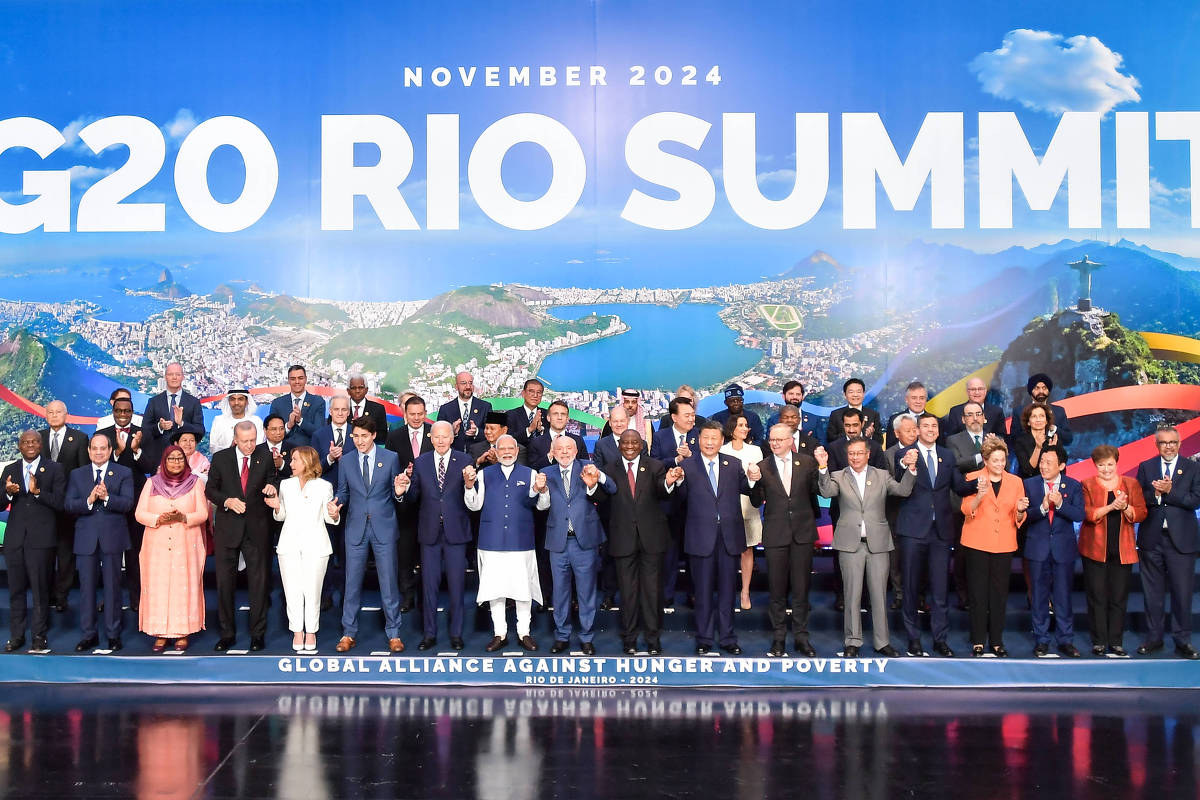
COP31 opens in Antalya on 9 November. The UK’s G20 and Ethiopia’s COP32 follow next year, with growth, resilience and investment at the centre. The test, by Addis Ababa, is whether bioeconomy and nature priorities are actually starting to show up in budgets, industrial strategies, trade policy and the lending books of development banks.
The way to get there is to put investment in productive bio-based activity at the centre, so that the same dollar builds a processing plant, protects the catchment it depends on and reduces the import bill, rather than treating each of those as a separate ministry’s problem.
That is what the bioeconomy offers all three rooms: the scientists a route to market, the negotiators a way to finance their targets, and the finance ministers a growth and resilience strategy they can defend in a budget.
If the three rooms meet again in two years and still cannot see each other, we will still be stuck financing the elephant’s trunk, the tail and the legs as if they were three different problems.